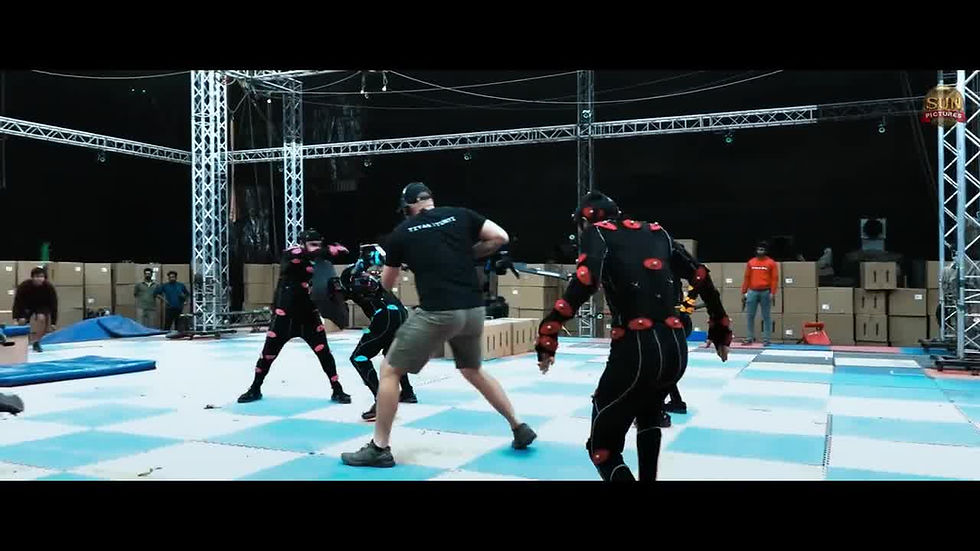
Motion Capture Workshop with PB Casting Studio: How Actors and Filmmakers Experience Real Performance Capture (Apple Arts Studios India)
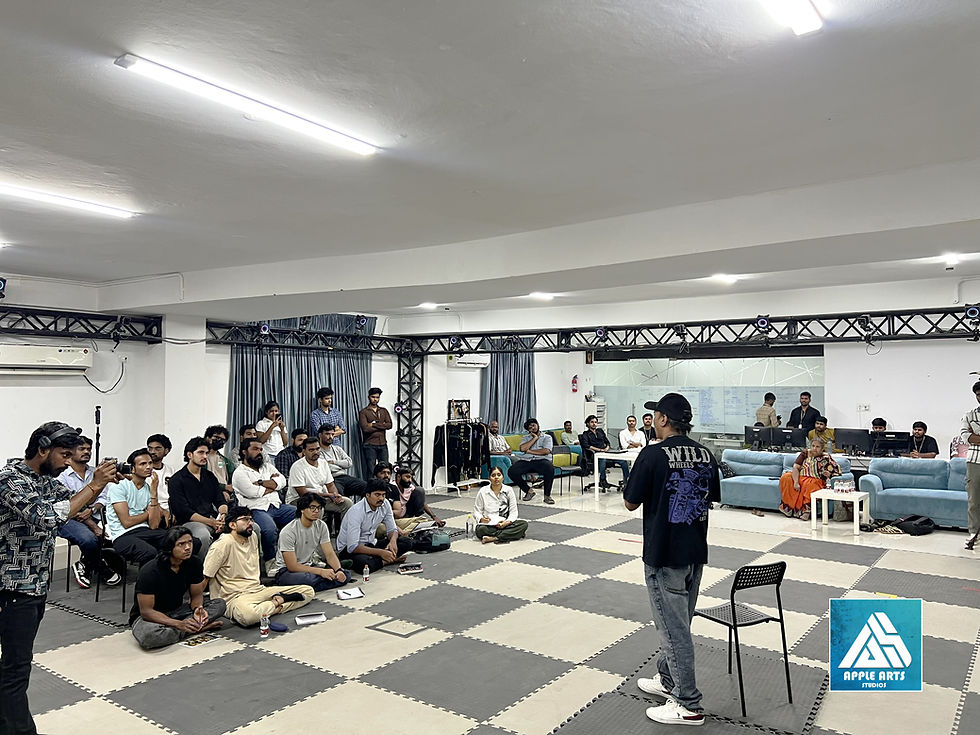
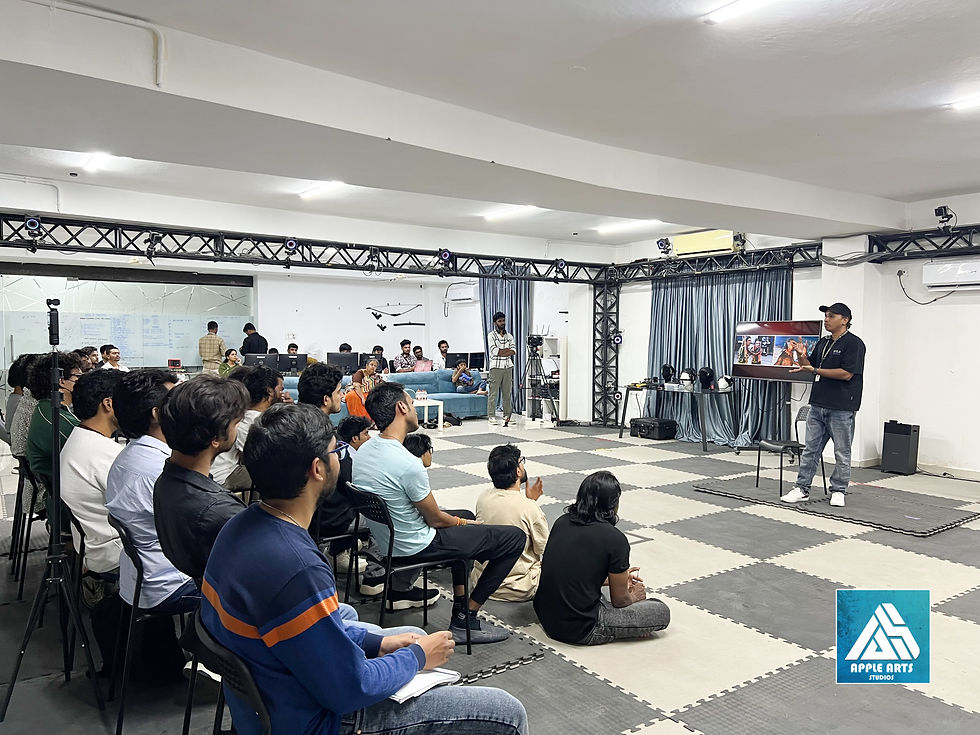
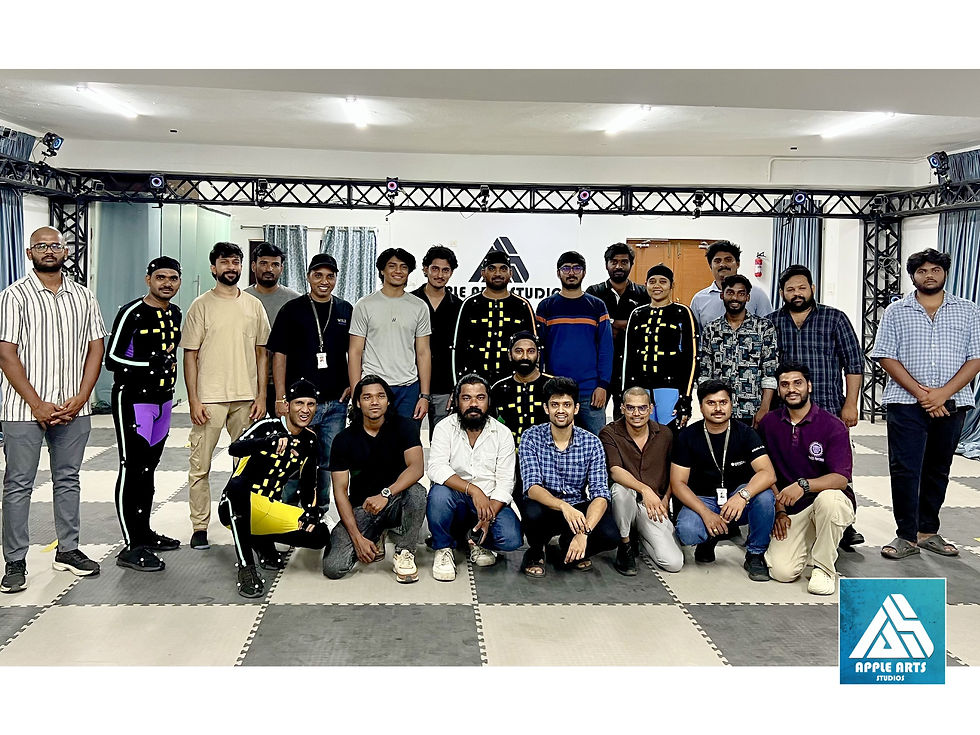
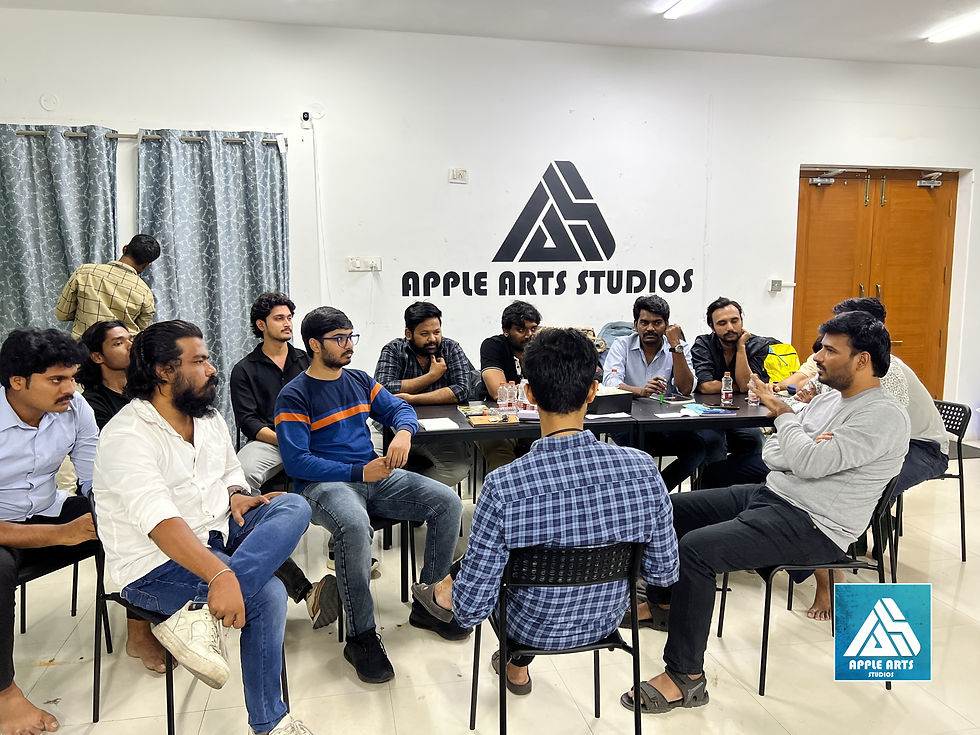
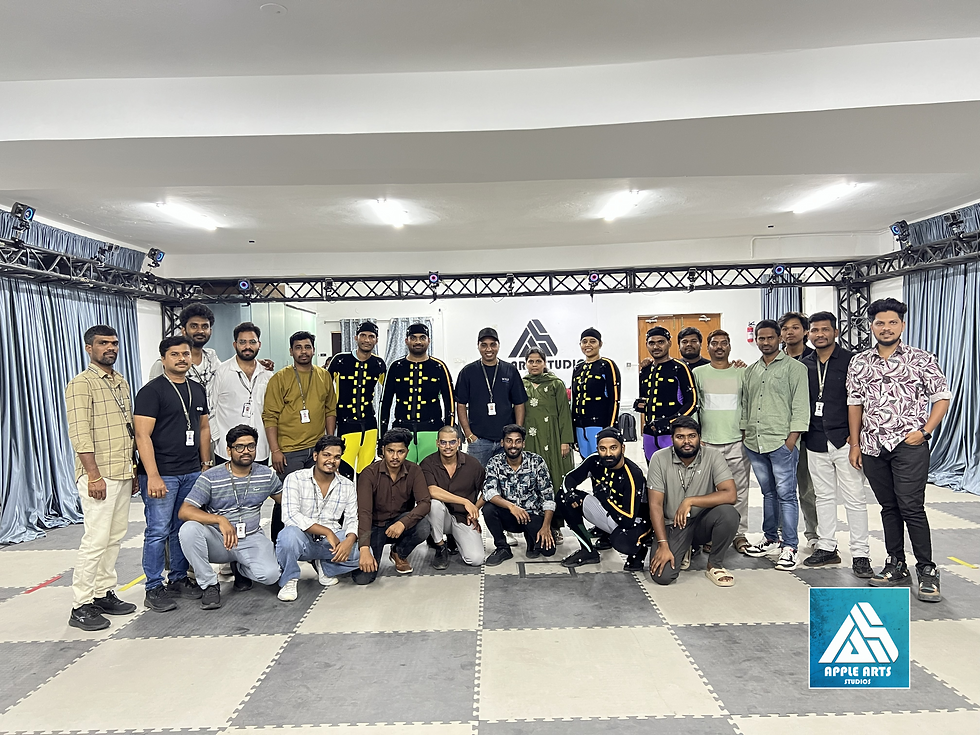
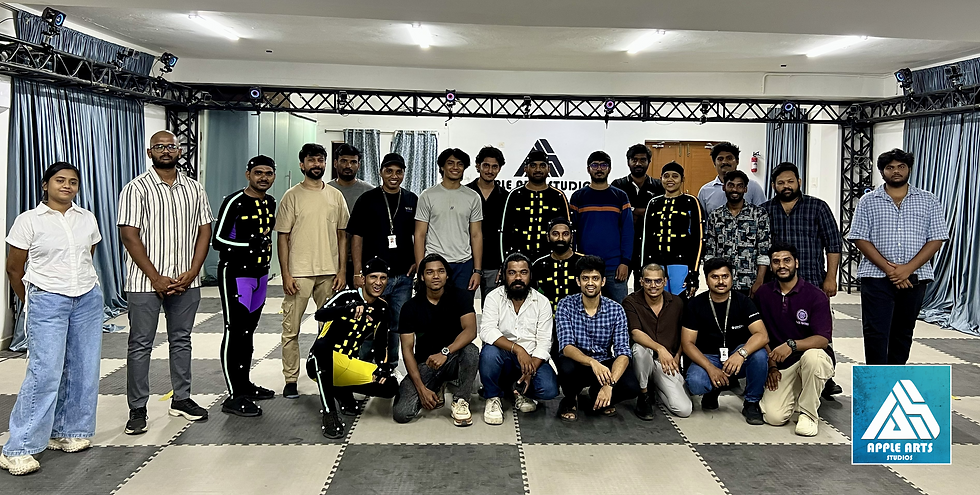
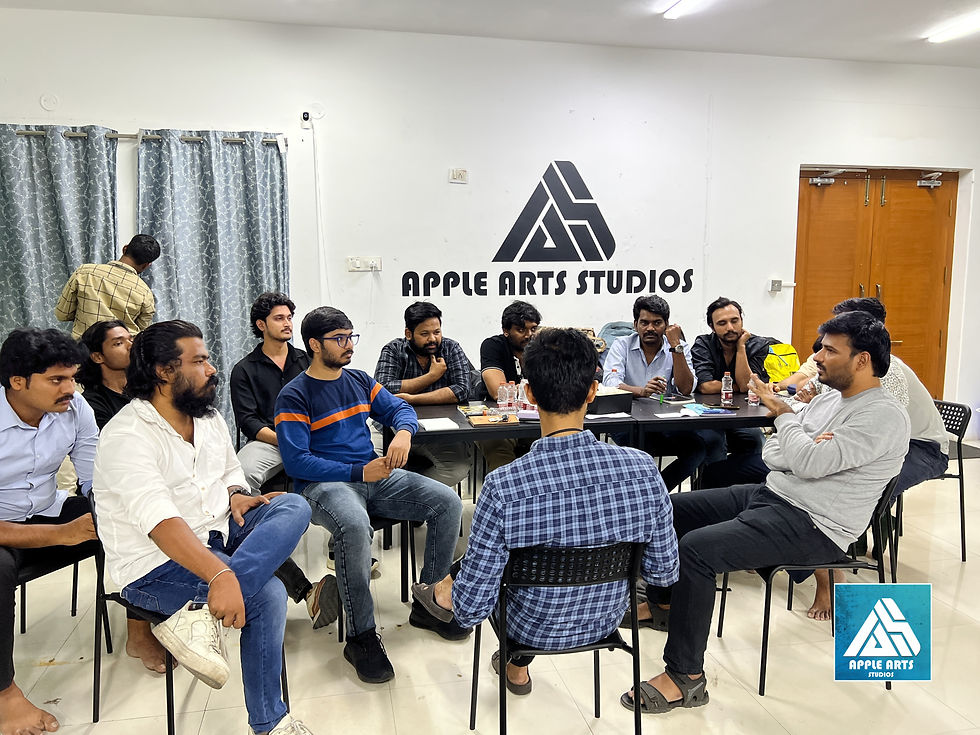
Last Saturday, Apple Arts Studios hosted a transformative hands-on motion capture workshop in collaboration with PB Casting Studio, bringing together professional actors, aspiring filmmakers, and creative professionals to experience—not just learn about—how motion capture actually works and why performance capture is fundamentally transforming how modern films, AAA games, animation, and digital characters get created.
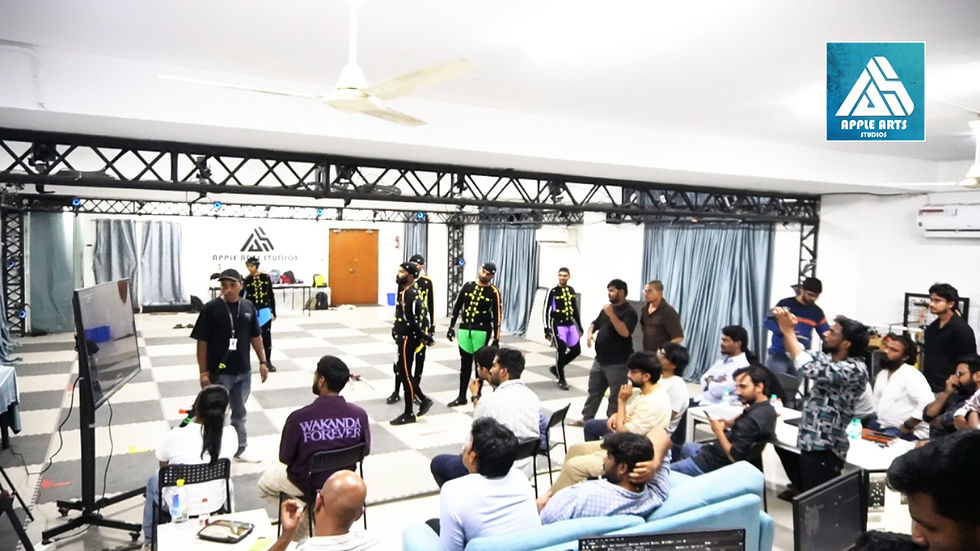
This wasn't a lecture. This wasn't theory. This was real experience with the technology that powers Hollywood films and global gaming studios.
And what participants discovered challenged everything they thought they knew about motion capture.

The Motion Capture Misconception: What Everyone Gets Wrong
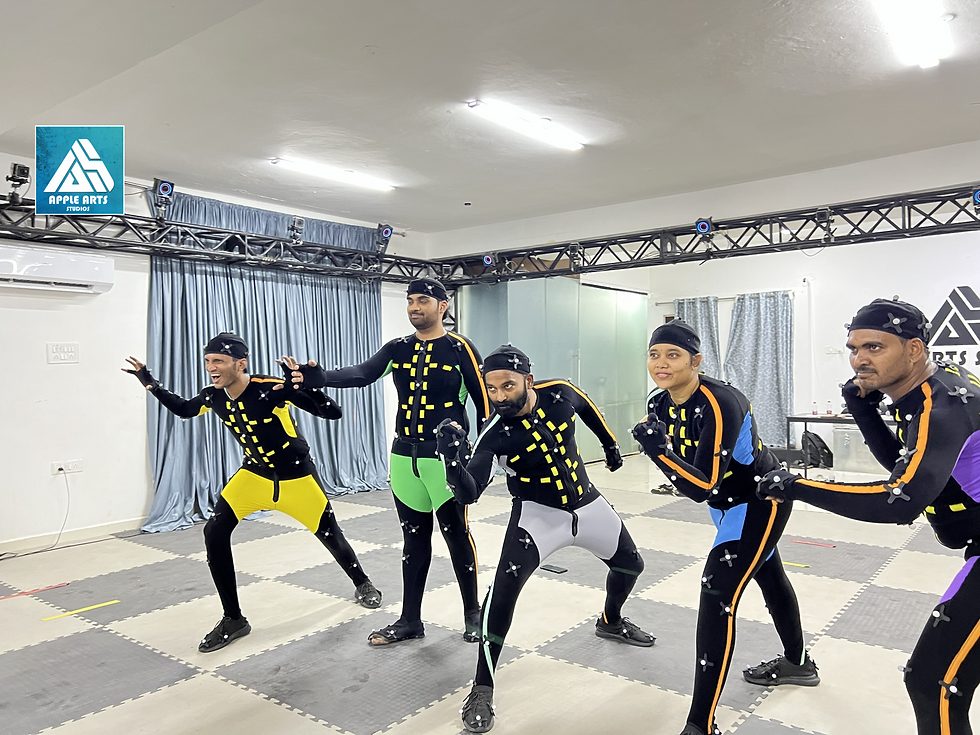
Here's what most people believe: Motion capture is about wearing a suit with dots on it.
Here's the reality: Motion capture is about stripping performance down to its absolute essence.
During our motion capture workshop at Apple Arts Studios, one actor said something that perfectly captured what everyone in the room learned: "There's nowhere to hide. Everything gets captured. Your performance IS the data."
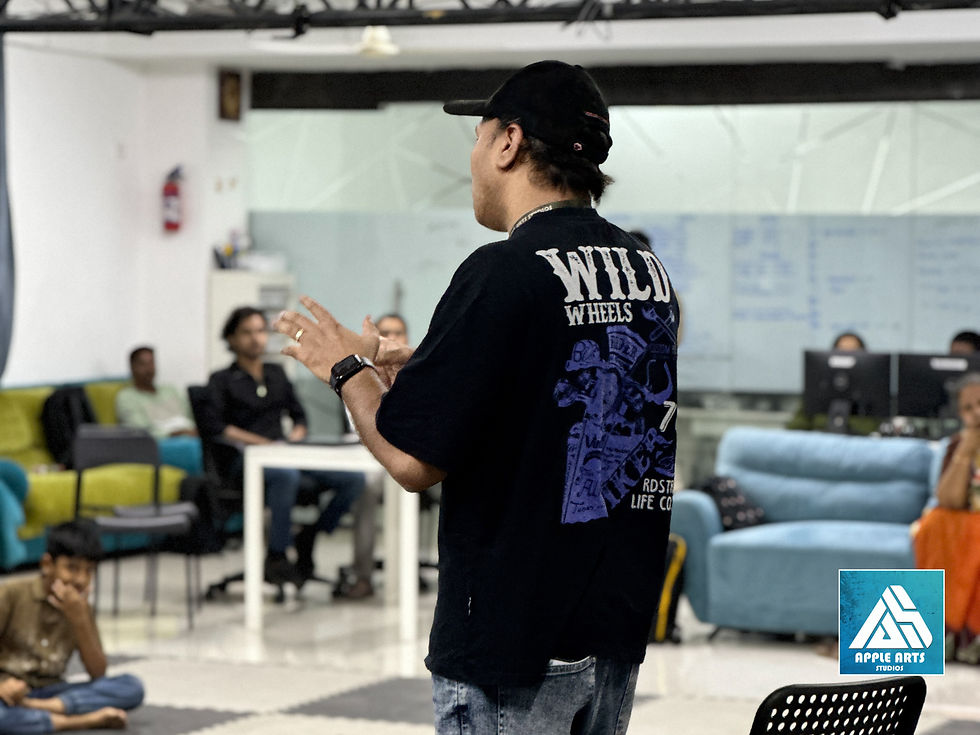
This is the fundamental misunderstanding about motion capture that keeps creators—actors, directors, filmmakers—from fully understanding its power.
Motion capture is not technology replacing acting. Motion capture is technology amplifying performance.
When you remove costumes, sets, makeup, camera angles, and all the traditional tools actors use to build characters—when you remove all of that—what remains is pure performance. Pure movement. Pure expression. Pure timing.
That's what gets captured. That's what becomes animation.
At our motion capture studio in Hyderabad, India, we operate 127 motion capture cameras across Vicon and OptiTrack systems. These cameras don't capture costumes. They don't capture sets. They capture human movement with millimeter precision.
And that precision is why motion capture has become essential for:
AAA Game Development. Realistic character animation that makes digital characters feel alive. Combat choreography captured exactly as performed. Movement systems built on real performer data.
Film Production. Digital doubles for dangerous stunts. Action sequences where every movement is planned and captured precisely. Character animation that matches a real actor's movement.
Animation and VFX. Movement libraries built on real human performance. Realistic creature animation. Character animation that feels authentic.
Virtual Production. Real-time character animation during live filming. Filmmakers seeing exactly how scenes will play before final production.
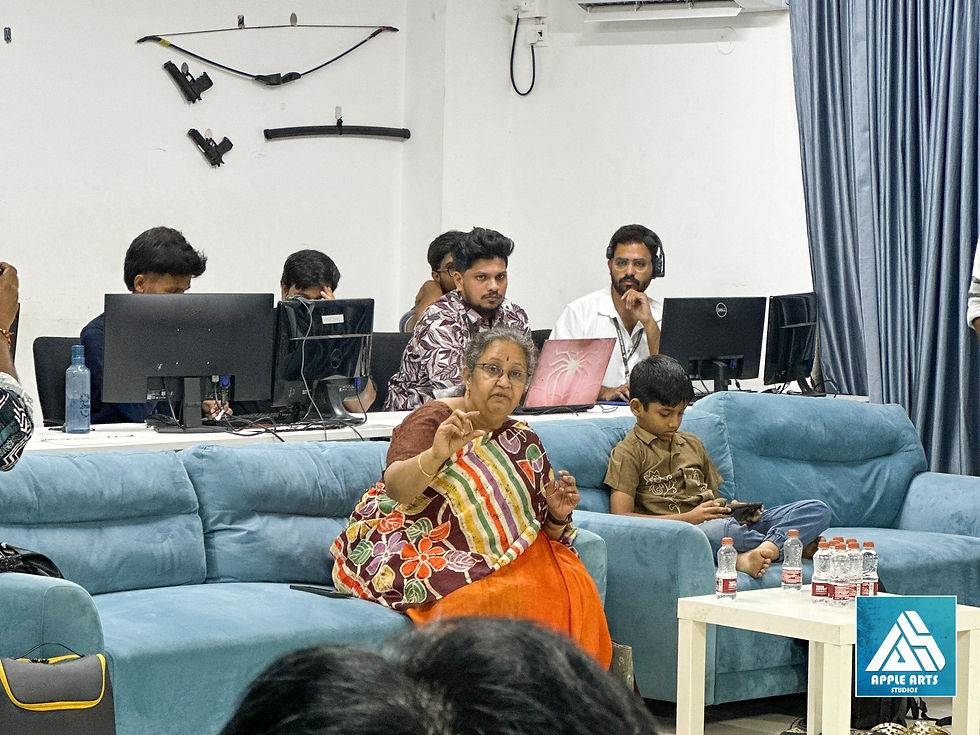

What Actors Discovered Inside the Motion Capture Space
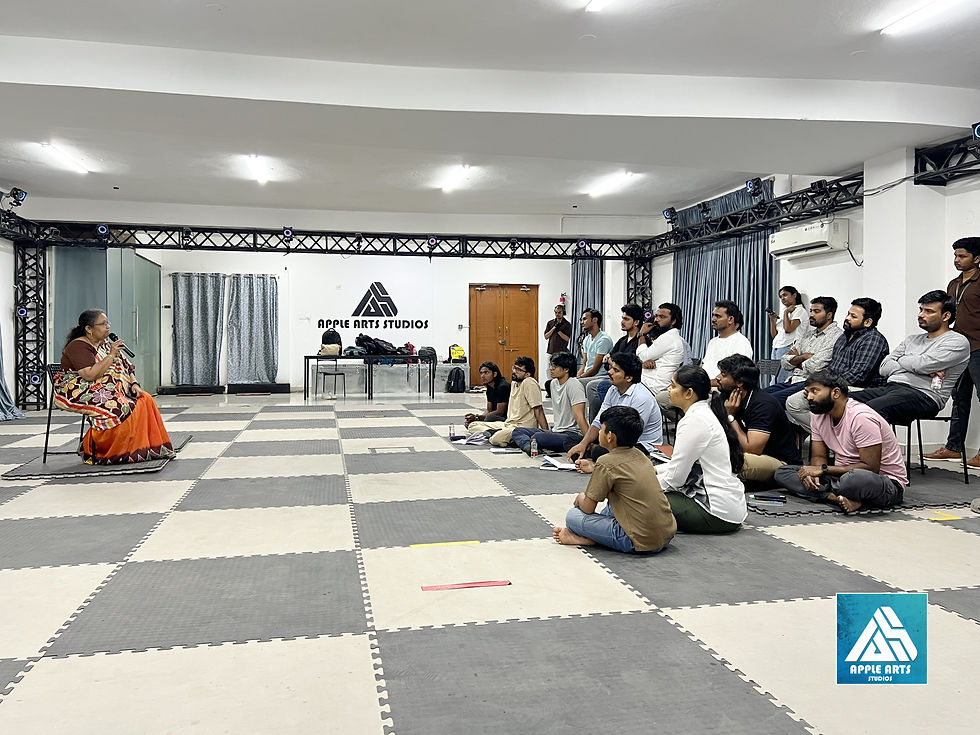
When actors stepped into our motion capture studio for the first time during the workshop, the experience was completely different from anything they'd done before.
No costumes. No sets. No props. No other actors to react to. No camera framing to perform for.
Just a stage. 127 cameras. And their performance.
One actress described it: "It's terrifying and liberating at the same time. There's nothing to hide behind, but there's also complete freedom to create."

Real-Time Motion Capture Feedback Loop
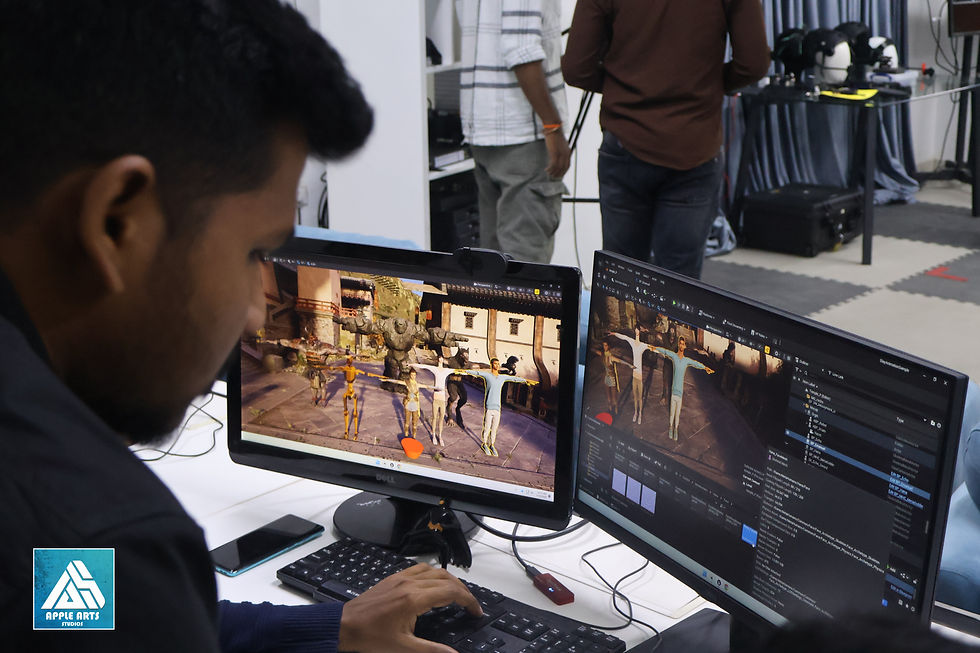
In traditional film, actors perform. Then they wait to see footage during post-production. In motion capture, actors perform and immediately see how the system captured their movement.
During our motion capture workshop, performers experienced this real-time feedback in real-time. They could see their movement translated into digital form instantly. This created a learning loop that doesn't exist anywhere else:
Perform → See Data → Understand How System Captures Nuance → Adjust → Perform Again
An actor who typically works in film noted: "In traditional acting, I rely on the director's feedback and editing. Here, I can literally see what was captured. I can see if my subtlety registered. This changes everything about how I approach movement."
This is one of the profound discoveries of motion capture performance: subtlety is everything. A small shift in shoulder position. A pause before movement. A hesitation. These micro-movements are what make digital characters feel alive versus robotic.
Performance Capture Reveals Acting Fundamentals
Motion capture acting strips away all the tools traditional actors use:
No costumes to build character. Character comes entirely from movement and physical choice.
No makeup or hair. Expression comes from face and body, not external appearance.
No sets for emotional context. Actors must imagine environments completely.
No other actors for reaction. Performance stands alone, without support.
No camera framing to hide behind. Every angle captures the same performance simultaneously.
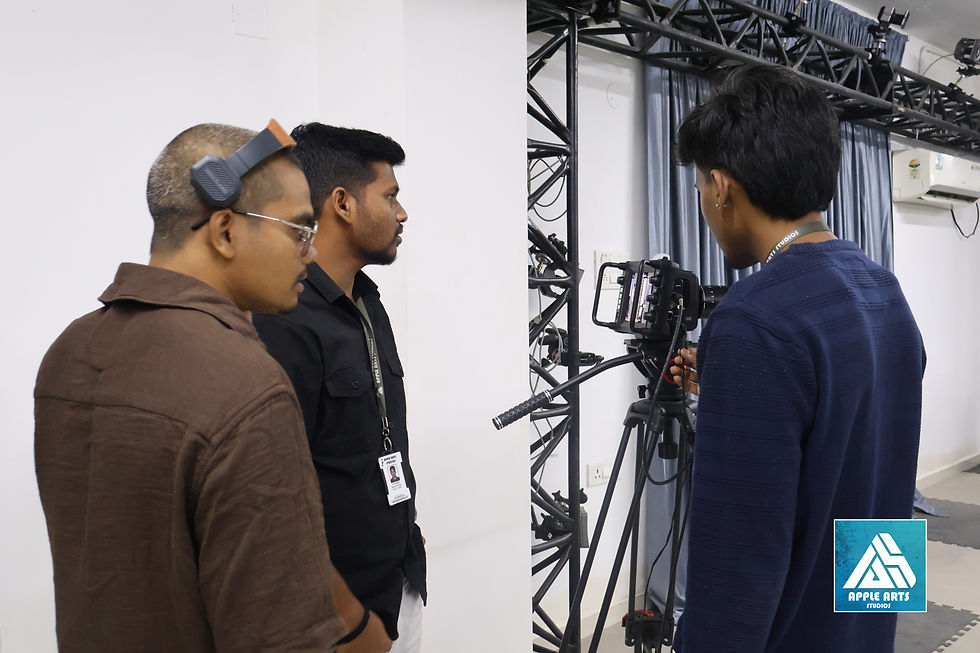
What remains is acting at its purest: movement, timing, expression, physical choices, and imagination.
During our motion capture workshop, some actors experienced this as the most challenging acting work they'd ever done. Others experienced it as liberation.
"It forces you to be better," one director who watched the workshop said. "There's nowhere for weak choices to hide."
How Motion Capture Acting Powers Films and Games
Participants in our motion capture workshop saw how motion capture data becomes production-ready animation:
In Games: Character animation systems driven by motion capture. Combat moves, locomotion, gestures—all built on real performer data. Realistic character movement that makes games feel alive.
In Films: Digital doubles created from motion capture. Stunt performers captured and transferred to digital characters. Action sequences where every movement was choreographed and captured exactly as performed.
In Animation: Character movement libraries built on real human performance. Realistic movement that makes animated characters feel grounded in reality.
In Virtual Production: Real-time character animation during live filming. Directors seeing digital characters perform scenes in real-time, making creative decisions instantly.
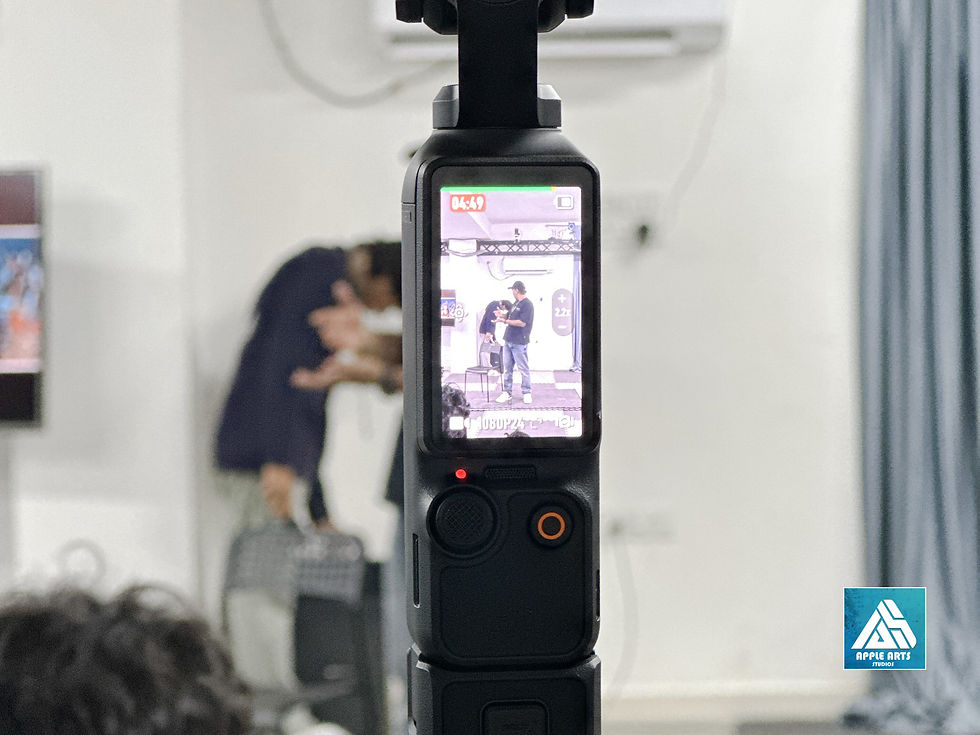
What Film Directors Learned: Motion Capture Is a Completely Different Medium
The filmmakers and directors in our motion capture workshop gained something even more valuable than technical understanding: perspective shift.
They realized that motion capture directing is not film directing with different technology. It's a different discipline entirely.
Motion Capture Requires Different Direction Approach
In traditional film directing, you compose shots. You frame action. You use camera angles, lighting, and editing to tell stories.
In motion capture directing, none of those tools exist. You can't frame the action better. You can't light it differently. You can't hide weak choices through camera work.
What you can do: Direct the performance.
"I realized I do 70% of my traditional directing through the camera," one director said during our motion capture workshop. "Remove the camera, and I have to actually direct the performance itself. It's completely different."
Motion Capture Planning Changes Everything
When you use motion capture, pre-production changes dramatically:
Action Choreography Becomes Precise. Fight choreography, stunt work, complex action—all must be planned in detail. You capture exactly what's choreographed.
There's no "we'll figure it out in post."
Visualization Changes. Directors can preview scenes with real-time motion capture before animation begins. This speeds decision-making and improves final results.
Performance Direction Matters More. Without camera tricks, the performance itself becomes the entire focus. Directors must guide actors through complex movement in a space with no visual reference.
Planning Becomes Essential. With traditional film, you can adapt during shooting. With motion capture, precision planning is critical because you're capturing data that will drive animation.
Motion Capture as Storytelling Tool
The most important insight from our motion capture workshop: motion capture isn't a technical solution. It's a storytelling tool.
Used correctly, motion capture enables storytelling that's impossible with traditional filmmaking. Digital doubles for dangerous stunts. Realistic creature animation.
Character performance captured with absolute precision.
But only if directors understand motion capture as a distinct medium with its own language.
One director in our workshop asked: "Can I think of motion capture as a new language for storytelling?"
The answer is yes. That's exactly what motion capture is becoming.
The Collaboration Effect: What Happens When Performers and Directors Understand Motion Capture Together

The most valuable moment of our motion capture workshop came when actors and directors realized something simultaneously: motion capture only works when everyone understands it as a shared creative medium.
An actor performing motion capture needs to understand how the director will use the data. A director planning motion capture needs to understand what the performer can deliver. A motion capture studio needs to understand what both parties need.
When all three perspectives align, motion capture becomes exponentially more powerful.
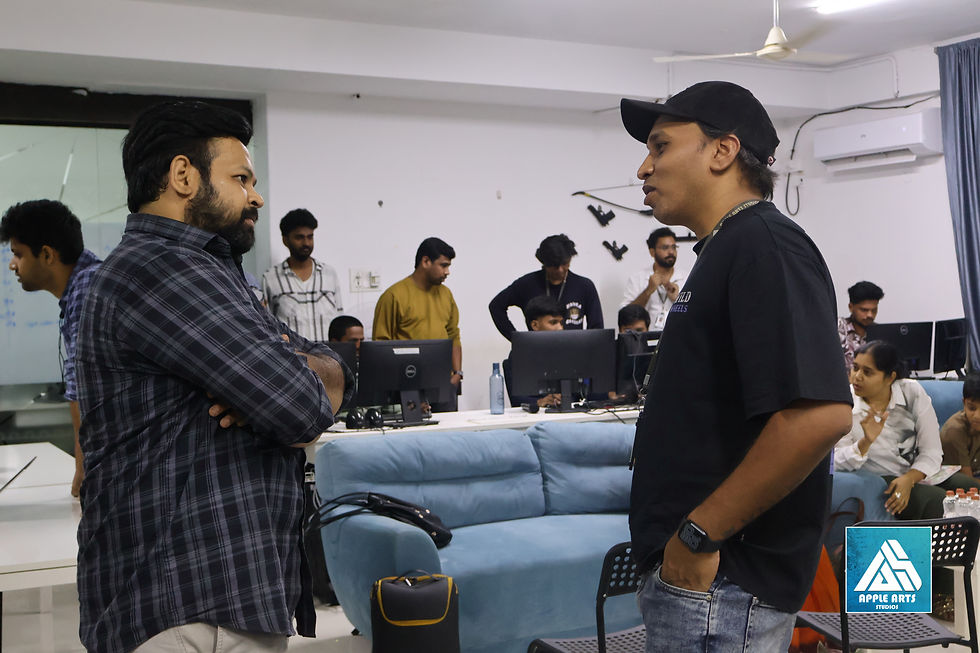
During our motion capture workshop, this happened naturally. Actors performed. Directors observed. Technicians captured. Everyone saw how the pieces connected.
"This is what's been missing," one director said. "Everyone works in silos. The actor doesn't know how the director will use the data. The director doesn't understand what the actor can deliver. Here, we see how it all connects."
This collaborative understanding is why workshops matter. Not just technical training. But shared creative language.
Apple Arts Studios: Why India's Largest Motion Capture Infrastructure Matters
Apple Arts Studios operates India's largest motion capture infrastructure. 127 motion capture cameras. Vicon and OptiTrack systems. Facial capture technology. Action capture capability. Post-processing expertise.
This isn't just equipment. This is 15 years of motion capture knowledge built into systems, workflows, and expertise.
What "India's Largest" Actually Means
When we say India's largest motion capture studio, we mean:
Comprehensive Performance Capture: Full-body motion capture. Facial motion capture. Finger tracking. Prop capture. All captured simultaneously with precision.
Advanced Facial Capture Pipeline: Technoprops stereo HMC. iPhone HMC workflows. MetaHuman Animator integration. Real-time facial performance capture for cinematic quality.
Production-Grade Equipment: 127 cameras means no compromises. Complete angle coverage. Real-time processing capability. Redundancy for critical work.
Scalable Infrastructure: From small intimate capture to large-scale deployments. From studio-based work to on-location capture across India and globally.
Motion Capture Post-Processing Excellence: Raw motion capture data becomes production-ready animation. Cleanup. Retargeting. Facial processing. Delivery to game engines and animation systems.
Real Projects. Real Experience. Real Results.
Apple Arts Studios has captured motion for:
Major Films: Napoleon. Transformers: Rise of the Beasts. (Post-processing work showing capabilities)
AAA Games: Gotham Knights. Far Cry 6. Call of Duty: Cold War. Black Ops. And many others across multiple publishers.
45+ Global Partners across film, games, animation, VFX, and virtual production.
5,000+ Shoot Days of motion capture production experience.
18 Countries served with motion capture and post-processing expertise.
This isn't a startup claiming capabilities. This is 15 years of proven motion capture work.
Why Motion Capture Workshops Are Critical Right Now
Motion capture is no longer niche technology. It's becoming production infrastructure standard.
But awareness and understanding are still limited. Many creators don't know what motion capture can do. Many don't understand how to work with it effectively. Many underestimate how much it changes production workflow.
This is why workshops matter. This is why hands-on experience matters.
When filmmakers experience motion capture firsthand, they see possibilities they never considered. When actors experience motion capture performance, they expand their craft. When teams collaborate with shared understanding, the work becomes exponentially better.
India's film, gaming, and animation industries are rapidly adopting motion capture and virtual production. Digital doubles are becoming expected. Realistic character animation powered by motion capture is becoming standard.
But many Indian creators are still learning. Workshops accelerate that learning. They create industry awareness. They build understanding of what's possible.
The Future Is Motion Capture Performance
Motion capture isn't replacing traditional filmmaking. It's expanding creative possibilities.
The best films will use both: traditional cinematography for scenes that benefit from camera work. Motion capture for action, digital characters, and complex performance.
The best games will build character animation systems on real performer motion capture data.
The best animation will use motion capture as one tool in a complete creative toolkit.
And the creators who understand motion capture—actors, directors, artists—will have competitive advantage because they understand a creative language that's becoming essential.
Ready to Experience Motion Capture Like Our Workshop Participants Did?
Apple Arts Studios offers multiple pathways to engage with motion capture:
For Actors: Motion capture acting workshops and training. Understand how performance translates in motion capture. Build skills in this emerging medium.
For Directors: Consulting and workshops on motion capture integration. Learn how to plan, direct, and use motion capture in your storytelling.
For Productions: Full motion capture services. From planning through capture through post-processing delivery. Complete motion capture solutions for films, games, animation, VFX, virtual production.
For Studios: Motion capture partnerships. Whether you need occasional support or ongoing motion capture post-processing, we scale to your needs.
For the Industry: Speaking, workshops, and thought leadership on motion capture's role in modern production.
Contact Apple Arts Studios
Email: hello@appleartsstudios.com Website: www.appleartsstudios.com Location: Hyderabad, India (Global capability)
Motion Capture Services:
Motion Capture Post-Processing
Full Performance Capture (Body, Facial, Finger, Props)
Action Capture & Stunt Choreography
Digital Doubles
Facial Motion Capture
Virtual Production Integration
Real-Time Motion Capture
15+ years of motion capture expertise. 127 cameras. 45+ global partners. Ready to power your next project.
Ready to transform how you think about motion capture?
Experience it like our workshop participants did. Contact Apple Arts Studios today.